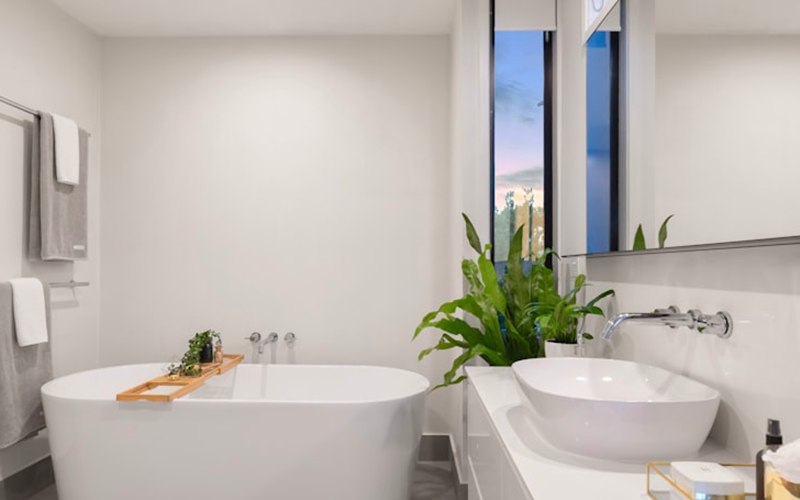
A bathroom you actually enjoy doesn't have to cost a fortune. These rooms consistently rank near the top for both homeowner satisfaction and money recovered at sale, which means a little spending goes a long way, especially when you spend it wisely. Whether you're freshening a tired primary bath or fixing up a dated half bath, the choices you make about scope, materials, and who swings the hammer decide whether you save money or watch it disappear. Daily General is here to keep you on the saving side.
Three Ways to Refresh, From Cheapest to Priciest
Level 1: Cosmetic Refresh ($2,000-$8,000)
This is the budget sweet spot. You leave the layout and plumbing alone and simply renew what you see and touch:
- Fresh paint and updated light fixtures
- New faucets, showerhead, and hardware
- A new mirror and vanity top over the existing cabinet base
- Re-caulking and re-grouting the tile
- A fresh toilet seat, towel bars, and accessories
For the least money of any approach, a refresh like this can transform a bathroom's whole look in a weekend or two, and most of it is well within reach for a confident DIYer.
Level 2: Mid-Range Remodel ($15,000-$35,000)
A mid-range project replaces the big fixtures and finishes while leaving the plumbing roughly where it sits, which is the key to keeping this tier affordable:
- A new vanity, countertop, and sink
- A new tub or shower, or a tub-to-shower conversion
- A new toilet
- New floor tile and a fresh shower or tub surround
- Upgraded electrical and a proper exhaust fan
- New drywall, paint, and trim
Level 3: Full Gut Renovation ($35,000-$75,000+)
The priciest path takes the room down to the framing and rebuilds it, which opens up a new layout and high-end touches, but also the biggest bills:
- Total demolition and rebuild
- Relocated plumbing and electrical (the costliest move of all)
- Custom tile work like heated floors and large-format tiles
- A walk-in shower behind a frameless glass enclosure
- A freestanding soaking tub
- Custom cabinets and a double vanity
- Premium fixtures and smart extras like digital shower controls and towel warmers
Where the Money Goes
Understanding the breakdown helps you see exactly where you can trim:
- Labor (40-50%): Plumbing, electrical, tile setting, and general contracting eat the biggest share, so any work you do yourself saves the most
- Fixtures & fittings (15-20%): The tub, shower, toilet, vanity, and faucets
- Tile & surfaces (10-15%): Floor tile, wall tile, and countertops
- Cabinetry (8-12%): The vanity and any added storage
- Everything else (10-15%): Permits, design fees, surprises, and your contingency
Money-Saving Tip: Hold Back 15-20%
Park 15 to 20 percent of your budget as a reserve. The moment walls and floors open up, bathrooms have a habit of revealing hidden water damage, mold, or worn-out plumbing. A reserve fund means those surprises get fixed without blowing your budget or freezing the whole project, which would cost far more in the long run.
The Choices That Make or Break Your Budget
Tub, Shower, or Both
Walk-in showers are in style, and many homeowners are pulling tubs for larger, easier-access showers. Before you spend on a conversion, though, keep in mind that agents advise leaving at least one tub in the house, usually the main hallway bath, since families with young kids expect one and its absence can cost you at sale.
Choosing Tile on a Budget
Tile is where bathroom budgets quietly balloon. Ceramic ($2-$8/sq ft) is the affordable workhorse and looks great. Porcelain ($3-$15/sq ft) lasts longer and shrugs off water. Natural stone ($5-$30/sq ft) feels luxurious but needs sealing and upkeep. Tiling only the wet zones and using a budget tile elsewhere is an easy way to get a high-end look for less. Fancier patterns like herringbone also raise labor costs, so a simple layout saves twice.
Vanity and Storage
Stock vanities from the big-box stores ($200-$800) are the budget-friendly choice and come in plenty of attractive styles. Semi-custom pieces ($800-$2,500) widen your options, while fully custom builds ($2,500-$8,000+) maximize every inch at a premium price most refreshes don't need.
What You Get Back at Sale
Bathroom projects return your money reliably, another reason to keep the spend in check:
- Mid-range bathroom remodel: 60-70% recovered at resale
- Upscale bathroom remodel: 55-65% recovered at resale
The benefit isn't only the percentage. A fresh, clean bathroom can sell a home faster and nudge a buyer toward your place over a comparable one, value that doesn't show up in a simple return figure.
Hiring a Contractor Without Overpaying
- Get three to five itemized written bids. Comparing detailed quotes is the simplest way to avoid overpaying. Each should spell out materials, labor, schedule, and allowances.
- Verify credentials. Check licensing, insurance, and any trade certifications for tile setters and plumbers; cut-rate "deals" from unlicensed crews often cost more to fix.
- Review past work. A good contractor can show you finished bathrooms similar in scale to yours.
- Understand the payment schedule. Never pay more than 10 to 15 percent up front, and tie the rest to completed milestones to protect your money.
- Get everything in writing. The contract should name materials by brand and model, set start and finish dates, explain change orders, and state the warranty.
How Long It Takes
Realistic timelines keep both your expectations and your spending under control:
- Cosmetic refresh: 1-2 weeks
- Mid-range remodel: 3-6 weeks
- Full gut renovation: 6-12 weeks
Add a week or two for the inevitable snags. If this is your only bathroom, line up a backup so a long timeline doesn't push you into a pricey hotel stay.
A bathroom that saves you money still balances looks, function, and quality, it just spends in the right places. Put your dollars into waterproofing and careful installation, since those hidden details are what keep you from paying to redo the whole thing a few years down the road.