At Daily General we judge every upgrade by one yardstick: how much does it knock off your bills? Solar clears that bar for a lot of households. Panel prices have tumbled more than 70% over the last decade, the federal credit still erases a big chunk of the cost, and many owners stop paying for the system within 6 to 10 years -- then keep the savings for free after that. The catch is that solar doesn't pencil out for every roof or every wallet. Here's the money math, laid bare, so you can tell whether the savings are real for you.
How Solar Turns Sunlight Into Bill Savings
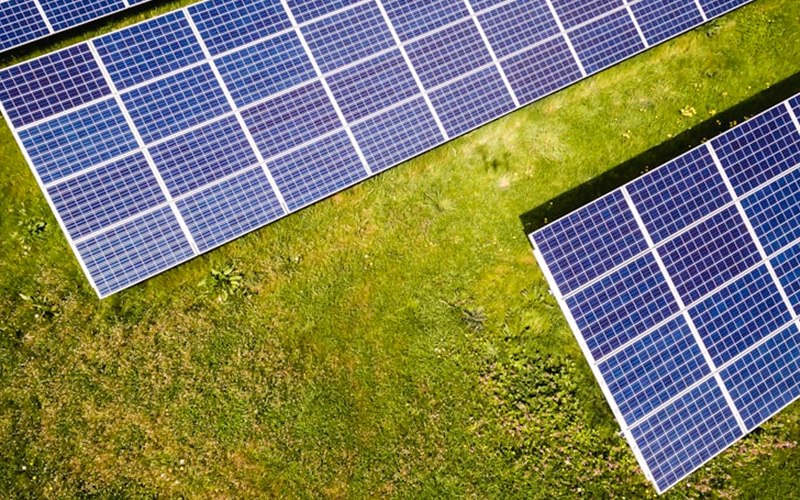
Photovoltaic panels -- PV panels for short -- convert sunlight into direct-current (DC) electricity, and an inverter flips that into the alternating current (AC) your home actually uses. Every kilowatt-hour your roof makes is one you don't buy from the utility. When the panels produce more than the house is using, that surplus flows back to the grid and your provider credits the account, an arrangement called net metering that stretches your savings even further.
Nearly all home setups stay "grid-tied," meaning you remain connected to the utility so the lights still work after sunset or on gray days. A battery lets you stockpile your own cheap power for later instead of buying it back, though it adds a sizable cost to the project.
Doing the Savings Math
What Does a System Cost Up Front?
In 2026, a typical home install runs about $2.50 to $3.50 per watt before any incentives. Look at a common 8kW system, enough to cover most of a household's usage, and watch how the credits shrink the price:
- Sticker price: $20,000 to $28,000
- Federal tax credit (30%): minus $6,000 to $8,400
- State and local incentives (varies): minus $1,000 to $5,000
- Your real out-of-pocket: $8,000 to $18,000
How Much You Save Each Month, and When It Pays Back
Your monthly savings hinge on three things: what your utility charges, how much sun your roof catches, and how big the array is. In high-rate states like California, Massachusetts, and New York, owners routinely lop $150 to $250 off the bill every month. Where power is cheaper, count on $80 to $120. Most systems earn back their full cost in 6 to 12 years -- and once that happens, the electricity is essentially free for the remaining 15 to 20 years the panels keep running.
See How Much Solar Could Save You
Get a personalized quote built around your roof, your region, and your actual power usage -- so you know the real savings before you spend a dime. No obligation.
See Your Solar QuoteThe Incentives That Slash the Price
The federal Investment Tax Credit (ITC) lets you subtract 30% of your install cost straight off your federal tax bill -- the single biggest lever for bringing solar within reach. It applies whether you pay cash or finance, though leased systems don't qualify. The 30% rate holds through 2032, then steps down to 26% in 2033 and 22% in 2034, so waiting can cost you.
Many states stack their own savings on top:
- State tax credits that come off your bill in addition to the federal one
- Solar Renewable Energy Certificates (SRECs) you can sell for ongoing income
- Property tax exemptions so your added home value doesn't raise your tax bill
- Sales tax exemptions on the equipment purchase
- Utility rebates offered by some power companies
Cash, Loan, or Lease: Which Saves the Most?
Paying Cash
This is the cheapest path over the life of the system. You own it outright, every tax credit flows to you, and 100% of the savings stay in your pocket. It's the right call if you have the cash and plan to stay in the home seven years or more.
Solar Loan
A loan puts panels on the roof for little or nothing down while you keep ownership and the tax credits. Because the monthly payment frequently lands below your old electric bill, you can come out ahead from month one. Rates typically run 3 to 7%.
Lease or PPA
Here an outside company owns the panels and handles install and upkeep. You pay either a fixed monthly lease or a per-kilowatt-hour rate (a PPA) priced below the utility. The savings are real but much thinner, you forfeit the tax credit, and it can complicate a future home sale -- so weigh it carefully against a loan.
Will Solar Actually Save You Money?
- Roof direction: South-facing slopes capture the most sun and the most savings. East and west still work but produce 10 to 20% less.
- Roof condition: If the roof needs replacing within five years, redo it first -- otherwise you'll pay extra to remove and reset the panels later.
- Shade: Tall trees, neighboring buildings, or anything shading the roof for part of the day cuts your output and your savings.
- Power bill: The math works best for households already paying $100 or more a month for electricity.
- HOA rules: Most states protect your right to go solar, but check your HOA bylaws before committing.
Does Battery Storage Save You Money?
Home batteries like the Tesla Powerwall or Enphase IQ store your surplus solar for nighttime or outages. One usually adds $8,000 to $15,000 to the project and qualifies for the same 30% federal credit. On pure dollars, batteries make the most sense if your utility uses time-of-use pricing or limits net metering -- letting you bank cheap power and dodge peak rates. For a typical home on a standard plan with full net metering, the savings alone don't yet cover the cost, though the backup power during outages has real value.
Choosing an Installer Without Overpaying
- Collect at least three quotes. For the same size system, prices can vary 20 to 30% between companies -- shopping around is the easiest money you'll save.
- Check credentials. Look for NABCEP certification from the North American Board of Certified Energy Practitioners.
- Read the warranties. Good installers cover panels for 25 years, inverters for 10 to 25, plus a separate workmanship guarantee that protects your investment.
- Ask about experience. Find out how many systems they've installed and how long they've been in business.
- Get the monitoring app. You should be able to track your production -- and your savings -- in real time.
Very few home upgrades pay their own way like solar can. The secret is running the numbers honestly against your own roof, your local rates, and how long you'll stay put before you sign a thing.
Find Out What You'd Save
Get matched with certified local installers and compare free, no-pressure quotes side by side. Free to use.
Get Free Solar Quotes