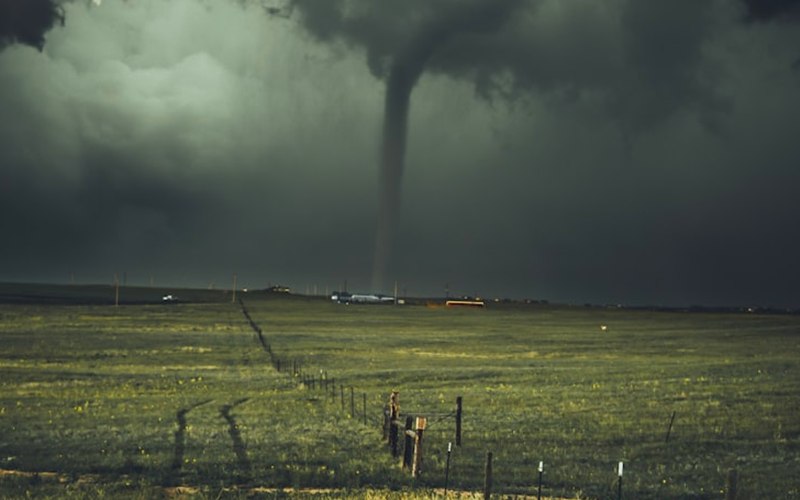
Every year, natural disasters reach millions of households, whether as hurricanes, tornadoes, wildfires, floods, or punishing winter storms. What separates the families who recover quickly from those who struggle for months is usually how prepared they were, and here is the good news for your budget: most of that preparation is cheap. Readiness is not about living in fear or spending big. It is a set of practical, mostly low-cost moves that keep your household safe, hold down property damage, and shorten the expensive road back when life turns suddenly. This Daily General guide walks you through what to handle before, during, and after a disaster without overspending.
Building an Emergency Kit for Less
Every home needs a grab-and-go supply kit, and you can assemble one affordably by buying a little at a time rather than all at once. FEMA recommends being able to fend for yourself for at least 72 hours, though many now suggest a two-week supply given how large recent disasters have become. Keep the kit in a waterproof container somewhere you can reach in seconds.
Basic Supplies (Per Person)
- Water: One gallon per person per day for three days or more, covering both drinking and sanitation. Refilling clean containers yourself costs almost nothing.
- Food: A three-day supply of items that will not spoil (canned goods, protein bars, dried fruit, peanut butter, crackers), plus a manual can opener. Stock up on sale and rotate what you already eat.
- Medications: At least a week of every prescription, along with inexpensive pain relievers and antihistamines from the drugstore
- First aid kit: Bandages, antiseptic, gauze, medical tape, tweezers, scissors, and anything specific to your family. Building your own usually beats a pre-packaged kit on price.
- Flashlights and batteries: At least two flashlights with spare batteries. Skip candles, which are a fire hazard.
- Battery-powered or hand-crank radio: Your link to emergency broadcasts once power and internet go down
- Phone chargers: Fully charged portable battery packs plus a car charger
- Cash: At least $200 in small bills, since ATMs and card readers stop working during long outages
- Copies of key documents (covered in the section below)
Worth Adding When You Can
- A week or more of food, water, and medication for your pets
- Baby essentials: formula, diapers, wipes, and jarred food
- Warm blankets or sleeping bags you likely already own
- A spare change of clothes and sturdy shoes for everyone
- Trash bags and plastic ties for sanitation
- A wrench or pliers for shutting off utilities
- A whistle to signal for help
Strengthening Your Home Without Going Broke
Toughening your house against severe weather lowers the damage it takes and protects your family through events you cannot flee, and several of these upgrades earn their cost back through insurance discounts and avoided repairs.
Structural Upgrades and What They Cost
- Roof straps (hurricane clips): These metal connectors tie the roof to the wall framing so high winds cannot peel it off. Professional installation runs $500 to $2,500, and many insurers cut premiums for homes that have them, so part of the cost comes back to you.
- Storm shutters or impact-resistant windows: They protect against flying debris, the leading cause of structural failure in a hurricane. Permanent shutters cost $3,000 to $10,000 for a whole house, while impact windows cost more but guard you year-round and lower energy bills too.
- Garage door reinforcement: The garage door is one of a home's weakest points in a windstorm. A bracing kit ($200 to $500) boosts its resistance considerably for very little money.
- Foundation bolting: In earthquake country, anchoring the frame to the foundation keeps the house from sliding off when the ground shakes. Budget $1,500 to $5,000.
Cheap Landscape and Exterior Fixes
- Tree maintenance: Remove dead or failing trees and trim limbs hanging over the roof or near power lines. Annual professional trimming runs $200 to $600 per tree and prevents far costlier damage.
- Clear defensible space: In wildfire areas, keep a 30-foot buffer around the house by clearing dead growth, moving firewood away from the walls, and choosing fire-resistant plants. Most of this is free weekend labor.
- Drainage improvements: Keep gutters clear and aim downspouts so water lands at least six feet from the foundation, and grade the soil away from the house so water cannot pool. These low-cost steps head off expensive water damage.
Protecting Your Documents for Free
After a disaster you will need fast access to the papers that drive insurance claims, financial recovery, and proving your identity. Most of this protection costs nothing but a little time. Back them up in more than one place:
- Paper originals in a fireproof, waterproof safe or a bank safety deposit box
- Digital scans in encrypted cloud storage, much of which is free (Google Drive, iCloud, or a dedicated service such as Everplans)
- A USB drive with the same scans, kept inside your emergency kit
Documents Worth Protecting
- Your home insurance policy, with the agent's contact details and your policy number
- A home inventory: photos or video of every room and valuable, paired with receipts for the bigger purchases
- Mortgage paperwork and the property deed
- Birth certificates, Social Security cards, and passports
- Medical and immunization records
- Vehicle titles and registration
- Bank and investment account details
- Your will, power of attorney, and any other legal documents
Insurance Check That Saves You Money
- Dwelling coverage: Does the figure reflect what it would actually cost to rebuild today, not your home's market value? Underinsuring leaves you paying the gap yourself.
- Flood insurance: Standard policies exclude floods entirely, so you need a separate NFIP or private flood policy to avoid a catastrophic uncovered loss.
- Earthquake coverage: Also excluded from standard policies, and essential if you live where the ground moves.
- Personal property coverage: Is the limit high enough to replace what you own? Compare replacement cost against actual cash value before you settle.
- Additional living expenses: This pays for somewhere to stay if your home is unlivable, so confirm both the dollar cap and how long it lasts.
- Deductibles: Wind and hurricane deductibles often run as a percentage (1% to 5% of dwelling coverage) rather than a flat amount, which can be a large surprise bill.
Review your policy every year, and revisit coverage after major renovations or big purchases. A quick comparison of quotes can also trim your premium without cutting protection.
A Communication Plan That Costs Nothing
When disaster strikes, cell networks often buckle or go silent. A simple, free communication plan keeps your family able to find one another even when the usual lines fail:
- Pick an out-of-area contact. Choose a friend or relative in another state everyone can call to check in, since long-distance calls often connect when local ones will not.
- Set meeting points. Pick two: one near home (a neighbor's house or an obvious landmark) and one outside the neighborhood (a school, community center, or relative's house).
- Text instead of calling. Texts use far less bandwidth and are more likely to get through a jammed network.
- Know your kids' school emergency plans. Find out where students will be moved and how you are expected to pick them up when something goes wrong.
- Save ICE (In Case of Emergency) contacts in every family member's phone.
Backup Power: Matching the Cost to Your Needs
A long blackout is one of the most common aftereffects of a disaster, and you can keep the essentials running without buying more capacity than you need:
- Portable generators ($500 to $2,000): Gasoline units that power the must-haves like the fridge, sump pump, and phone chargers, the most budget-friendly option. Always run them outdoors because of carbon monoxide, store fuel safely, and rotate it every six months.
- Inverter generators ($800 to $3,000): Quieter and more fuel-efficient than standard portables, and their cleaner power is safe for sensitive electronics.
- Standby generators ($3,000 to $15,000 installed): Permanently mounted outside, running on natural gas or propane, they start automatically the moment the grid fails and can power the whole house. They require professional installation and annual servicing, so reserve them for homes that truly need it.
- Battery backup systems ($5,000 to $15,000): Whole-home batteries like the Tesla Powerwall store energy from the grid or your solar panels. They run silent, emit nothing, and need no upkeep, though runtime depends on how much your household draws, and they can pair with solar to lower bills the rest of the year.
Evacuation Planning You Can Do for Free
Some disasters will not let you stay put. When you have to leave, planning ahead keeps you from making costly, risky decisions in the moment:
- Know your evacuation zone. Ask your local emergency management agency which zone you are in and what kind of event triggers an order to leave.
- Map more than one route. Never rely on a single road out. Work out at least two ways to your destination and drive them so they are familiar.
- Keep the car ready. During disaster season, never let the tank fall below half, and keep your emergency kit and documents within reach.
- Plan for your pets. Scout pet-friendly hotels and shelters along the route, and keep carriers, leashes, and vaccination records ready.
- Leave early. Treat a voluntary evacuation like a mandatory one; roads clog and become impassable fast as conditions worsen and traffic builds.
There is no cheaper time to prepare than right now, with clear skies and full shelves. An hour of low-cost preparation today can save you days of hardship and a pile of money once a crisis arrives.
Recovering Without Losing Money
If disaster does strike, working through recovery in the right order protects both your safety and your finances:
- Put safety first. Stay away from home until officials give the all-clear, and watch for downed lines, gas leaks, and weakened structures.
- Document everything. Photograph and film all the damage before you move or clean anything, because that record is the backbone of your insurance claim and your reimbursement.
- Call your insurer immediately. File the claim as fast as you can, and ask about advance funds for temporary housing if the home is unlivable.
- Stop the damage from spreading. Make temporary fixes like tarping a torn roof or boarding broken windows, and keep every materials receipt since insurance reimburses them.
- Apply for FEMA help. Visit DisasterAssistance.gov or call 1-800-621-3362. FEMA provides grants for temporary housing, repairs, and other disaster costs your insurance will not cover.
- Avoid contractor scams. Disaster zones attract con artists, so never pay in full up front, always confirm licensing and insurance, and insist on a written contract before any work begins.