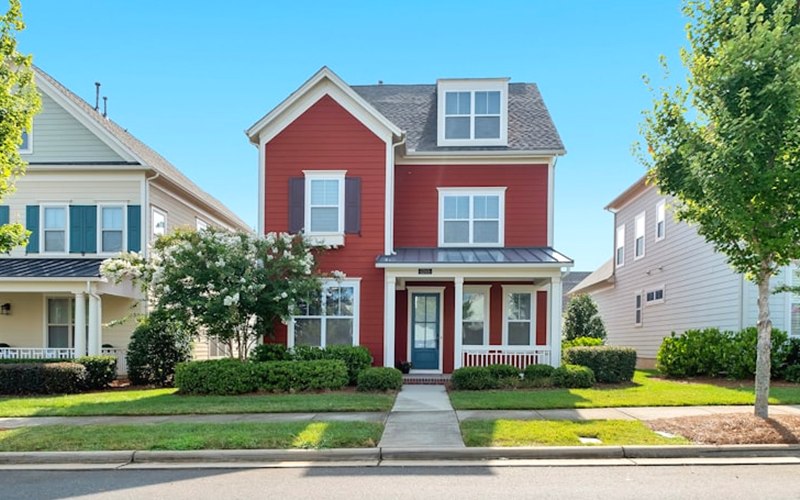
A fence is one of the most practical upgrades you can make, marking your boundaries, adding privacy and security, keeping kids and pets safe, and lifting curb appeal. The catch is that costs swing dramatically with the material you choose, so a little homework before you buy can save you thousands. The right material, style, and height depend on your goals, your budget, your climate, and even your HOA. This guide walks you through every decision with an eye on getting the most fence for your money.
Comparing Materials by Cost
Every fencing material lands differently on cost, durability, looks, and upkeep. Here is how the common choices stack up so you can find the best value for your situation.
Wood Fencing: Affordable and Flexible
Wood remains the most popular fencing material, and for good reason: it is versatile, relatively budget-friendly, and has a natural look that suits most homes. Cedar and redwood are the premium picks because they naturally resist rot and insects, while pressure-treated pine is the bargain choice but needs staining or sealing to last. A well-maintained wood fence lasts 15 to 20 years, though a neglected one can fail in as few as eight to ten, so the upkeep is part of the real cost. Expect $15 to $35 per linear foot installed depending on species and height.
Vinyl (PVC) Fencing: Higher Cost, Lower Upkeep
Vinyl has surged in popularity because it is nearly maintenance-free. It will not rot, warp, or attract insects, and it never needs paint or stain, just a quick rinse with the hose. The trade-off is a higher up-front price, generally $20 to $45 per linear foot installed, but with a 30-year-plus lifespan and almost no maintenance, it often costs less over time. Colors include white, tan, gray, and woodgrain, though the range is narrower than paintable wood.
Aluminum Fencing: Wrought-Iron Look for Less
Aluminum is the go-to for decorative and pool fencing. It resists rust, is lightweight, and mimics wrought iron for a fraction of the price and fuss. The trade-off is that its open-rail design provides no privacy. Pricing runs $25 to $50 per linear foot installed, and it can last 30 to 50 years with almost no maintenance. It is not ideal for security or for containing small pets that can slip between rails.
Chain Link Fencing: The Cheapest Option
Chain link is the lowest-cost fencing at $10 to $25 per linear foot installed. It is extremely durable, lasting 20 to 30 years, and needs almost no maintenance, which makes it the budget king. The downside is appearance: it offers no privacy and looks utilitarian, though privacy slats or woven fabric help. Vinyl-coated chain link in black or green blends into a yard far better than bare galvanized steel.
Composite Fencing: Premium and Low-Maintenance
Composite blends wood fibers with plastic to look like wood while resisting rot, insects, and weather like vinyl. It will not splinter, crack, or warp and comes in convincing wood tones. The price is at the high end, generally $30 to $55 per linear foot installed, but the 25-to-30-year lifespan and minimal upkeep can pay that premium back over the years.
Installed Cost Per Linear Foot
- Chain Link: $10-$25
- Wood (pressure-treated): $15-$25
- Wood (cedar/redwood): $25-$35
- Vinyl: $20-$45
- Aluminum: $25-$50
- Composite: $30-$55
On a typical 200-linear-foot perimeter fence, the whole project runs from about $2,000 (chain link) to $11,000 and up (composite or premium aluminum), so the material choice alone can swing the bill by five figures.
Choose a Style That Matches the Job
Paying for more fence than you need is an easy money trap. Let the fence's main purpose set its style. If privacy is the goal, use solid panels at least six feet tall, where wood, vinyl, and composite privacy fences are your best options. Board-on-board and shadowbox designs let some air through while still blocking the view.
If the fence is mainly decorative or for enclosing a pool, open styles like aluminum, wrought iron, or split-rail wood do the job for less material and money. They mark boundaries without blocking the view. Picket fences sit in between, defining a property line traditionally while keeping a welcoming look.
Pick the Right Height
- 3-4 feet: Decorative front-yard fences, garden edging, picket fences
- 4 feet: The minimum most pool-enclosure codes accept
- 6 feet: The standard privacy-fence height for backyards
- 8 feet: The usual code maximum, reserved for top privacy or security
Check HOA Rules and Permits First
Before buying a single post, check two things that can cost you dearly if ignored: your HOA covenants and your local building codes. Many homeowners associations dictate fence materials, colors, heights, and even which way the finished face must point, and breaking the rules can mean fines and a forced teardown at your expense.
Most towns also require a permit for a new fence, especially one over four feet, with fees typically $20 to $400 depending on where you live. Skipping the permit risks fines and headaches at sale time, since unpermitted structures can snag inspections and complicate title transfers.
Get a Property Line Survey
One of the most important steps is confirming exactly where your property lines run. A fence even a few inches onto a neighbor's land can trigger legal disputes, forced removal, and bad blood. If you do not have a current survey, hire a licensed surveyor for $300 to $800 to mark the boundaries. That is a small price next to tearing out and rebuilding a misplaced fence.
DIY or Hire: Where the Savings Are
Fencing is one of the more DIY-friendly projects for a handy homeowner and one of the biggest places to save, but it is hard physical work with no room for sloppiness. Here is how to decide:
- Be honest about your skills. Setting posts level and plumb in concrete is the make-or-break step. Get it wrong and the whole fence looks crooked and may fail early, costing you more in the end.
- Size up the terrain. Flat, clear yards are easy. Slopes, rocky ground, tree roots, and buried utilities ramp up the difficulty fast.
- Account for the time. A pro crew can finish 200 linear feet in a day or two. The same job alone might eat two or three weekends.
- Run the real numbers. DIY usually cuts 40 to 60% off labor, or $1,500 to $5,000 on an average backyard fence, but you will rent a post-hole digger, buy concrete, and spend your own hours.
- Weigh the warranty. Pro installs often include a workmanship warranty, while DIY mistakes are yours to fix.
Upkeep Costs by Material
Long-term cost rides heavily on maintenance. A cheaper material that needs yearly attention can cost more over 20 years than a pricier one that needs almost nothing, so weigh upkeep before you buy.
- Wood: Stain or seal every two to three years, replace damaged boards, and check yearly for rot and insects.
- Vinyl: Hose it down once or twice a year, with no painting, staining, or sealing.
- Aluminum: Nearly maintenance-free. Touch up scratches with matching paint to prevent minor oxidation.
- Chain link: Watch for bent or sagging spans. Uncoated steel can rust in humid climates.
- Composite: Wash occasionally, with no staining or sealing. May fade slightly over many years.
A fence is a long-term investment in your property's value, security, and privacy. Choosing the right material and installer up front saves you from costly replacements and neighbor disputes for decades.
How Much You Recoup at Resale
Real estate analyses put a new fence at recovering roughly 50 to 70% of its cost at resale, depending on the market and material. The bigger payoff is often in daily use: a fence that lets your family enjoy the backyard, keeps the dog safely contained, or cuts road noise pays you back in ways no spreadsheet captures. And in neighborhoods where nearly every home is fenced, going without one can dent both your marketability and the price buyers are willing to pay.