Good Security No Longer Costs a Fortune
Home security has changed completely in the last decade, and your budget is the winner. Not long ago your only options were an expensive professional system locked into a long contract or no protection at all. Today the choices span every price point, from self-install wireless kits and smart cameras to video doorbells and app-based monitoring you can run for a few dollars a month.
The flip side is that all that choice can be overwhelming, and it is easy to overspend on features you will never use. For most households the question is not whether to have security but which affordable setup delivers genuine protection rather than a pricey false sense of safety. Matching what actually deters break-ins to an honest look at the costs is how you stretch every dollar.
DIY Systems: Maximum Protection Per Dollar
Self-install brands like Ring Alarm, SimpliSafe, Abode, and Wyze upended the industry by selling gear you set up yourself with monitoring plans that carry no long-term commitment. A typical kit includes a base station, door and window sensors, motion detectors, and a keypad, with cameras and environmental sensors available to add as your budget allows.
Why DIY Saves You Money
- No contracts: Monitoring is usually month-to-month with no cancellation penalty, so you are never paying for a service you have outgrown.
- Far lower cost: Hardware bundles start around $150 to $400, and professional monitoring runs roughly $10 to $25 a month, about half what the legacy companies charge.
- Free installation: Stick-on wireless sensors need no drilling, no wiring, and no installer fee, and most systems are running within an hour.
- Take it with you: Because it packs up and moves, DIY suits renters and frequent movers, so the investment follows you instead of staying behind.
- Smart home integration: Nearly all of these systems work with Alexa, Google Assistant, or Apple HomeKit for voice control and automated routines at no extra cost.
The Trade-Offs to Weigh
- Self-monitoring gaps: Skip the paid plan and you rely entirely on phone alerts. A dead battery, a busy moment, or a deep sleep can let a notification slip past, so the small monitoring fee is often worth it.
- Installation quality: Poorly placed sensors leave blind spots, while a pro covers every entry point methodically. The fix is free: take your time and follow the placement guide.
- No hardwired backup: Most kits run on Wi-Fi with a cellular fallback, and a determined intruder could jam wireless signals, though that is rare in practice.
Professional Monitoring: When the Premium Is Worth It
Companies like ADT, Vivint, and Brinks sell the full package: professional installation, around-the-clock monitoring centers, and complete equipment bundles. When a sensor triggers, an operator verifies what is happening and dispatches police, firefighters, or paramedics as needed, which is the convenience you are paying extra for.
Monitoring from these providers generally runs $30 to $65 a month, with hardware either bought up front ($500 to $1,500) or financed over a multi-year agreement. Both Vivint and ADT have moved into the smart home, adding touchscreen panels, smart locks, thermostats, and garage controllers, so weigh whether you will use those extras before paying for them.
Let Your Insurer Help Pay for It
Many home insurers cut premiums by 5% to 20% when a house has a monitored system. The key word is "monitored," since self-watched and camera-only setups usually do not qualify. Claiming the discount typically just means sending your insurer a certificate from the monitoring company. On a $1,500 annual premium, a 15% break is $225 a year, enough to cover a big chunk of your monitoring bill and shrink the real cost of protection.
Cameras: Spend on Placement, Not Just Gear
Cameras are the most recognizable part of home security, but their value comes down entirely to where you place them and what they can do. Knowing the categories lets you buy only what you need and capture footage you can actually use instead of hours of an empty driveway.
The Main Camera Types
- Video doorbells: Stationed at the front door, they record deliveries, visitors, and the entry point burglars target most. Ring, Nest, and Arlo lead the category, and this is often the highest-value camera to buy first.
- Outdoor bullet cameras: Weatherproof units with longer range, good for driveways, side yards, and back doors. Look for color night vision and person detection so you are not paying for false alerts.
- Floodlight cameras: Pairing bright LED floodlights with a wide lens, these work as both deterrent and camera, and the sudden burst of light alone scares off plenty of would-be intruders for the price of one device.
- Indoor cameras: Placed in hallways, living areas, or near valuables, they capture evidence if someone gets past your outer defenses. Many include two-way audio and privacy shutters.
- PTZ (pan-tilt-zoom) cameras: With remote movement and optical zoom, they cover a large property with one unit, though they carry a noticeably higher price, so reserve them for spots a cheaper fixed camera cannot handle.
Smart Locks: Convenience That Pays Off
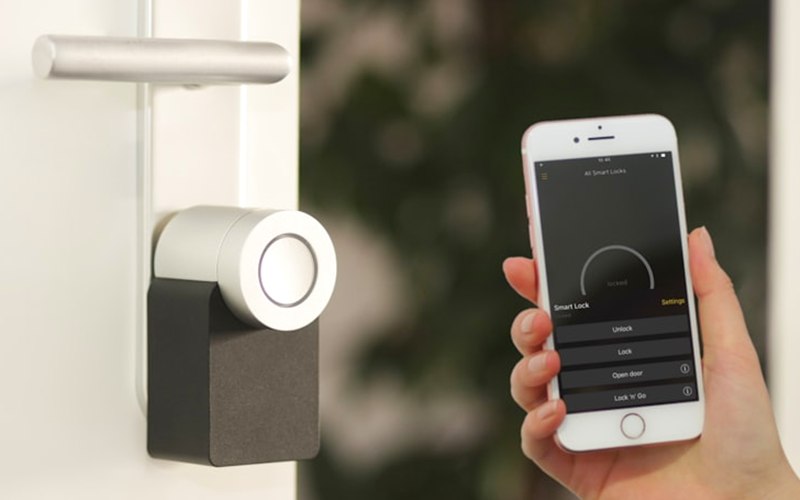
Smart locks combine protection with everyday convenience that can save you money on rekeying and lockout calls. A keypad ends the worry of lost or copied keys, temporary codes let a cleaner or contractor in only during set hours, and the activity log shows exactly when each code was used. Well-reviewed models from Schlage, Yale, and August work with most security ecosystems and run $150 to $350 installed.
One detail worth insisting on: choose a lock that keeps a physical key backup. Electronics fail, batteries die, and Wi-Fi drops. A keyhole override means a glitch never leaves you paying a locksmith to get back inside.
"A study from the University of North Carolina at Charlotte found that about 60% of convicted burglars said the sight of a security system pushed them to choose a different house. The deterrents they cited most were visible cameras and yard signs, which means the cheap, visible signals of security can matter as much as the expensive hardware behind them."
What Actually Deters a Break-In
What truly stops a burglary is less glamorous than the marketing suggests, and that is good news for your budget. Study after study points to visible deterrents, cameras, signs, and motion-triggered lighting, as the strongest first line of defense. Burglars are opportunists above all; they head for easy targets and avoid any home that looks like trouble.
A monitored alarm still adds a valuable second layer. FBI figures show homes without a security system are 300% more likely to be hit. Combine inexpensive visible deterrence with a modest monitored alarm and you get both a mental barrier for the intruder and a real response if one tries anyway, without overpaying for a top-tier package.
Privacy Worth Protecting
As cameras spread around our homes, reasonable privacy questions follow. A lens pointed at a public sidewalk, a neighbor's yard, or a shared space can create legal exposure and friction next door. Many areas have strict rules against recording audio without consent, which matters for any camera with a built-in mic. Footage stored in the cloud sits on a company's servers under their data terms and may be reachable through law enforcement requests. Local storage like a microSD card or an NVR (network video recorder) keeps that footage in your own hands and can spare you a monthly cloud fee.
A Layered Plan That Fits Any Budget
Rather than buying the most expensive system on the shelf, build protection in layers that target the weak spots burglars exploit most. Start with these cheap, high-payoff moves:
- Reinforce your doors: A solid deadbolt plus 3-inch screws in the strike plate costs under $30 and resists kick-ins far better than factory hardware, the best few dollars you can spend.
- Add motion-activated lights: A well-lit exterior is one of the simplest, cheapest deterrents there is, and solar models skip the wiring and the electrician.
- Install a video doorbell: For most homes this is the single best security dollar you will spend, covering the main entrance and scaring off porch thieves.
- Use smart plugs as light timers: A home that looks occupied draws far less interest, and randomized lighting schedules cost almost nothing to run.
- Put sensors on doors and windows: These are the inexpensive backbone of any alarm, watching the spots intruders try first.
What It Actually Costs Each Month
A DIY system with professional monitoring runs roughly $15 to $25 a month after $200 to $400 in upfront gear. Legacy professional systems cost $30 to $65 monthly, often with discounted hardware but a multi-year contract. Camera-only setups with cloud storage land at $3 to $15 per camera per month. Factor in a possible insurance discount and a monitored system often costs less, on net, than the sticker price implies, so the affordable route and the protective one are frequently the same route.