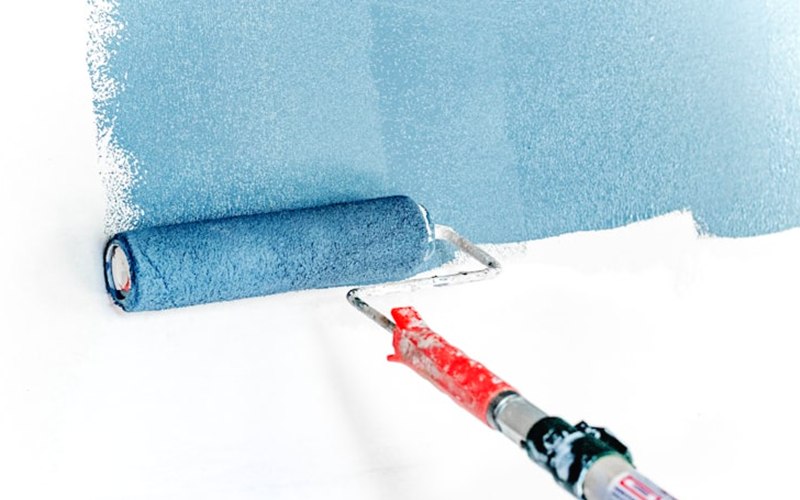
Dollar for dollar, nothing transforms a home like a fresh coat of paint. It revives worn-out rooms, retires dated colors, and leaves the whole place feeling cleaner and more inviting, all for a tiny fraction of what a remodel costs. The biggest savings of all come from doing it yourself, and even if you hire out, knowing how the job works, what it should cost, and which materials to buy keeps you from overpaying. Here's the Daily General approach to painting for less.
DIY vs. Hiring a Pro: Where the Savings Are
The first money decision is whether to paint yourself or pay someone. DIY is far cheaper, but the right call depends on your budget, your free time, and how confident you are in the work.
The Case for DIY
Painting a room yourself typically costs $200 to $400 for paint, primer, tape, drop cloths, rollers, and brushes, often half or less of what a pro charges. You also control the schedule and the standards. Be realistic, though: budget a full day per room once prep and cleanup are counted, and know that the finish depends entirely on your patience and technique. Cutting crisp lines along trim and ceilings is what trips up most beginners, so practice on a low-stakes room first.
When Paying a Pro Is Worth It
Pros run about $400 to $800 per room depending on your area, the room size, and the complexity. That buys speed (a crew can paint a whole interior in two to four days), sharp lines, thorough prep, and no weekends on a ladder. They also carry insurance, so accidents aren't on you. For full-house repaints or rooms with tall ceilings, vaulted walls, or heavy trim, a pro often delivers a better result fast enough that the extra cost is money well spent.
Typical Interior Painting Costs
- DIY (per room): $200-$400 (paint + supplies)
- Pro (per room): $400-$800 (labor + materials)
- Whole house DIY (3-bed): $1,500-$3,000
- Whole house pro (3-bed): $4,000-$8,000
- Accent wall (DIY): $50-$100
- Trim and doors (pro): $1,000-$3,000
Notice the DIY column runs roughly half the pro figures, that gap is your potential savings. These assume typical 10x12-foot rooms with 8-foot ceilings; tall ceilings, heavy prep, or premium paint push the numbers up.
Paint Types and Sheens, Explained
Choosing the right sheen matters as much as the color, and getting it right the first time saves you from repainting. Each sheen has a job, and the wrong one in the wrong room causes problems.
The Sheens, Explained
- Flat/Matte: No shine. It hides wall and ceiling flaws beautifully but scuffs easily and resists cleaning, so save it for low-traffic spots like adult bedrooms and ceilings.
- Eggshell: A soft, subtle glow that wipes down better than flat. The go-to for living rooms, dining rooms, and hallways, balancing looks and durability.
- Satin: A silky sheen that handles moisture and scrubbing well. Great for kitchens, baths, kids' rooms, and busy hallways, though it shows flaws more than eggshell.
- Semi-Gloss: Shiny, durable, and moisture-resistant. The standard for trim, baseboards, doors, cabinets, and bathrooms; easy to wipe but it highlights surface defects.
- High-Gloss: The shiniest and toughest, used mostly on trim and accents. It cleans up easily but reveals every blemish, so the surface underneath must be flawless.
Why Cheap Paint Often Costs More
Bargain paint ($20-$30/gallon) feels like a deal until you're applying extra coats, fighting thin coverage, and watching it fade, which burns through any savings. Mid-grade lines ($35-$50/gallon) from Benjamin Moore, Sherwin-Williams, and Behr give you good coverage, durability, and lasting color. Premium paint ($50-$75/gallon) offers the best one-coat coverage and longest life. For most homeowners the mid-grade tier is the true value sweet spot, and watching for store sales and rebates can drop it to bargain pricing.
How to Choose Colors (and Avoid Costly Do-Overs)
Color paralysis stalls more projects than anything else, and a wrong choice means buying and applying paint twice. These pointers keep you from that expensive mistake:
- Start with what stays. Look at your floors, counters, furniture, and fixtures. The wall color should complement those pieces, not clash with them.
- Use the 60-30-10 rule. Let 60 percent of the room carry the main color (walls), 30 percent a secondary (upholstery, drapes), and 10 percent an accent (pillows, art, accessories).
- Always sample before buying gallons. Cheap tester pots brushed on 12x12-inch (or larger) patches save you from committing to a color you'll hate. Check them in morning, noon, and evening light.
- Match the color to the room's purpose. Cool shades (blues, greens, grays) calm bedrooms and baths; warm shades (yellows, terracottas, warm whites) energize kitchens and living rooms.
- When in doubt, go neutral. Warm whites, greiges, and soft taupes flatter almost everything, never look dated, and appeal to buyers, which protects your investment if you sell.
Prep: The Step That Saves the Job
Pros spend as long prepping as painting, because skimping here is what forces a do-over. Good preparation is the difference between a polished result and one you'll have to redo on your own dime.
- Wash the walls. Dust, grease, and cobwebs keep paint from sticking. Wipe surfaces with a damp cloth, or a cheap TSP solution for greasy kitchen walls.
- Patch holes and cracks. Use lightweight spackle on nail holes and setting compound on bigger dents, then sand flush once dry.
- Scuff glossy spots. Paint won't grip a shiny surface, so a quick pass with 150-grit paper gives it tooth.
- Prime where needed. Always prime bare drywall, stains, dark-to-light color changes, and repaired areas. A tinted primer can save you a whole coat of expensive color.
- Tape carefully. Run quality painter's tape (FrogTape or 3M) along trim, ceilings, and edges, pressing it down firmly so paint can't bleed under.
- Protect floors and furniture. Use reusable canvas drop cloths instead of slick plastic, and move furniture to the center under covers.
Money-Wasting Mistakes to Avoid
Even experienced DIYers hit these snags, and each one can mean buying more paint or redoing the work:
- Skipping primer leaves patchy color and weak adhesion, especially over new drywall or dark shades, often forcing an extra coat.
- Letting the edge dry creates visible lap marks. Work in sections and keep a wet edge.
- Overloading the roller causes drips and blotchy texture. Roll off the excess in the tray first.
- Pulling tape too late. Lift it while the final coat is slightly tacky; waiting until bone-dry can tear paint off with the tape.
- Stopping at one coat rarely covers fully, even with premium paint. Two coats is standard for a clean, lasting finish.
The real cost of a bad paint job isn't the wasted paint, it's buying everything again and repainting the whole room. Put in the prep time and lay down two coats, and you'll get years out of a job you only pay for once.
Hiring a Painter Without Overpaying
If you hire out, screen candidates carefully. Painting has a low barrier to entry, so quality and price are all over the map:
- Get at least three written bids. Comparing quotes is the easiest way to avoid overpaying; each should detail prep, number of coats, paint brand and sheen, and schedule.
- Confirm insurance. Ask for proof of general liability and workers' comp before anyone starts.
- Check references and reviews. Look for steady praise on punctuality, tidiness, and attention to detail.
- Ask about the paint. A good contractor uses mid-grade to premium products; be wary of rock-bottom quotes built on no-name brands that fade fast.
- Confirm what's included. Does the bid cover moving furniture, patching, priming, and cleanup? Get it all in writing so there are no surprise charges.