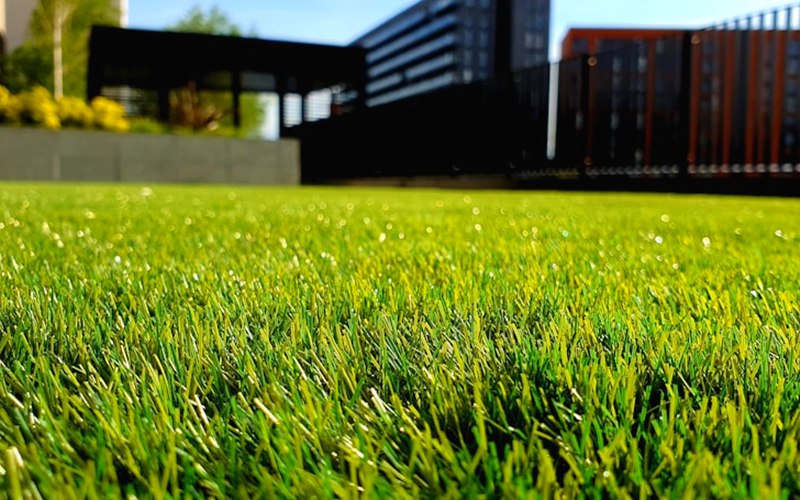
Landscaping is one of the rare home improvements that actually grows more valuable over time, and much of it costs surprisingly little. A kitchen remodel starts losing ground the day it's finished, but a well-planned landscape keeps filling in and looking better year after year. The research agrees: good landscaping can raise a home's value by 10 to 15 percent, and in some markets a beautifully planted property commands 20 percent or more over comparable homes with tired yards. The money-smart move is knowing which low-cost projects return the most and doing them with a plan. Daily General will help you spend a little and get a lot back.
Curb Appeal: Cheap Wins That Pay Off
Agents agree that curb appeal drives a buyer's first reaction, and people judge a house within about seven seconds of pulling up. The encouraging part is that the biggest improvements here are also some of the cheapest:
- A healthy lawn that's green, evenly mowed, and free of weeds and bare patches, almost all of it DIY
- Crisp planting beds with clean edges, fresh mulch, and a layered mix of shrubs, perennials, and groundcovers
- An inviting, easy-to-follow path from the street or drive to the front door, ideally edged with low plants or lighting
- Foundation plantings that soften the line between house and ground without burying windows or hiding the facade
- A tidy driveway with no cracks, stains, or weeds breaking through
- Finishing touches like a sharp mailbox, clear house numbers, and inexpensive seasonal color from blooms or containers
Trees: A Cheap Plant That Grows Into Money
Few things you can plant for so little end up worth so much. The Council of Tree and Landscape Appraisers has methods for valuing individual trees, and one large, healthy shade tree can carry $1,000 to $10,000 in appraised landscape value, an enormous return on a small sapling. Beyond the appraisal, trees keep saving you money:
- Lower energy bills: Well-placed shade trees can cut summer cooling costs 15 to 35 percent by shielding the roof, walls, and AC unit
- Stormwater control: A mature canopy catches rain and slows runoff, easing erosion and drainage problems that are costly to fix
- Privacy and quiet: Evergreens form year-round screens and dampen traffic noise without the price of a fence
- Neighborhood appeal: Buyers consistently rate tree-lined streets as more desirable
Plant species suited to your climate zone, soil, and mature size, and keep them away from the house, foundation, and utility lines, a common mistake that leads to expensive removals later. Your local extension office can recommend free or low-cost species lists for your area.
Irrigation: Spend to Save on Water
An in-ground sprinkler system is a convenience and a value-add buyers increasingly expect, especially in dry regions. A good setup waters evenly, curbs waste, and keeps the yard sharp with little effort. The real savings come from today's smart controllers (Rachio, RainMachine, and Hunter Hydrawise), which adjust to live weather, soil moisture, and plant type and cut water use 30 to 50 percent versus old timers, trimming your monthly bill year after year.
What Landscaping Costs
- Basic lawn renovation (seeding, fertilizing): $1,000 - $3,000
- Foundation planting overhaul: $2,000 - $6,000
- In-ground irrigation system: $2,500 - $5,000
- Landscape lighting package: $2,000 - $5,000
- Paver walkway or patio: $3,000 - $10,000
- Retaining wall: $3,000 - $15,000
- Full landscape design and installation: $10,000 - $40,000+
Well-planned landscaping returns 100 to 150 percent on average, making it one of the few home improvements that can actually pay back more than it costs.
Designing for Low Maintenance (and Low Bills)
A low-maintenance yard isn't just about reclaiming your weekends; it's a landscape that thrives on less water, fertilizer, and labor, which keeps your ongoing costs down too. The guiding principles:
- Right plant, right place. Match plants to your soil, sun, and climate zone. Natives suited to local conditions need far less watering and fuss than imports, saving money every season.
- Shrink the lawn where it makes sense. Turf is the thirstiest, most labor-hungry part of any yard. Replace awkward grass with mulched beds, groundcovers, or gravel paths to cut water and upkeep.
- Mulch generously. A 2- to 3-inch layer of organic mulch smothers weeds, holds moisture, steadies soil temperature, and feeds the soil as it breaks down, doing the work of pricier inputs for less.
- Group plants by water need. Hydrozoning makes irrigation efficient and stops you from wasting water drowning drought-tolerant plants or starving thirsty ones.
- Choose slow growers. Fast growers need constant pruning. Moderate growers hold their shape and cut down on labor and disposal costs.
Hardscaping That Earns Its Keep
Hardscaping is the built, non-living part of a yard: walkways, patios, retaining walls, fire pits, outdoor kitchens, and water features. It adds year-round structure that doesn't depend on the growing season. The projects that return the most value for the money:
- A front walkway upgrade: Swapping cracked concrete for pavers or natural stone lifts curb appeal instantly, and the materials are affordable if you lay them yourself
- Retaining walls: Useful and attractive, they fix grading problems and create plantable terraced beds
- A fire pit or fireplace: A budget-friendly gathering spot that extends outdoor living into cooler months; a simple kit costs a fraction of a built-in
- An outdoor kitchen: A premium feature best suited to homes above $400K, where buyers expect upscale outdoor living, so spend here only if your market supports it
Landscape Lighting
Low-voltage LED lighting transforms a yard after dark and makes the space usable into the evening. Placed well, it also improves security by erasing dark corners around the house. Aim it where it counts: path fixtures along walkways, uplights on standout trees, wash lights across textured walls, and task lighting near cooking and dining areas. The savings are in the running cost, LEDs sip power and last 25,000 to 50,000 hours. A pro layout of 15 to 25 fixtures runs $2,000 to $5,000 installed, though basic solar or plug-in kits cost far less for the DIYer.
DIY vs. Hiring a Pro
A willing homeowner can handle plenty of landscaping themselves and save the labor charge, while some jobs genuinely need a pro:
- Smart DIY jobs: Mulching, planting annuals and perennials, lawn care, container gardens, and building simple beds
- Worth hiring out: Planting and removing trees, installing irrigation, landscape design, grading and drainage, retaining walls, and large hardscape builds
A landscape designer can map out a master plan you roll out in stages over several years, spreading the cost while keeping the result cohesive. Design fees usually run $500 to $3,000 depending on the property, and that modest outlay heads off far costlier design mistakes.
Save by Planning Around the Seasons
The best planting window shifts with your region and plant. In most climates fall is prime time for trees, shrubs, and perennials, since cool air and autumn rains let roots establish before winter. Spring suits warm-season grass, annuals, and vegetable beds. Hardscape work can happen year-round in mild areas, or during dry stretches where winters are hard. Spreading projects across the seasons eases the spending and lets you scoop up deep end-of-season plant discounts.
Landscaping is the one home improvement that appreciates with time, often for very little money. A thoughtful landscape sharpens your curb appeal today and grows more valuable with every passing year.